Home / Articles
PRP Vs Cortisone Injection: Expert Guide
Home / Articles
PRP Vs Cortisone Injection: Expert Guide
For patients in New York City or Los Angeles dealing with chronic joint or spine pain the choice often boils down to a single question: do I want a quick fix or a long term solution? You might have been offered a quick cortisone shot but keep hearing about the healing power of regenerative medicine. When facing chronic joint pain many patients ask: PRP vs cortisone injection which is the right choice for me? This question is central to modern pain management especially as we move toward treatments that prioritize tissue health over temporary comfort.
Living with chronic musculoskeletal pain is exhausting. You have likely tried physical therapy or medication and now you are weighing PRP vs cortisone injection. One offers immediate relief but potential tissue damage over time while the other promises healing but takes more patience. For the active resident of a major US city waiting for results can feel like a setback but the long term implications for your mobility are far more significant. Chronic pain is not just a physical sensation it is a barrier to your career your hobbies and your quality of life.
To understand a PRP injection you must first understand what platelets do. Most people know platelets as the cells that help blood clot. However they also contain hundreds of proteins called growth factors which are essential for healing injuries. When you have a chronic injury your body might have stopped trying to fix the area because the blood supply is poor or the inflammation has become stagnant.
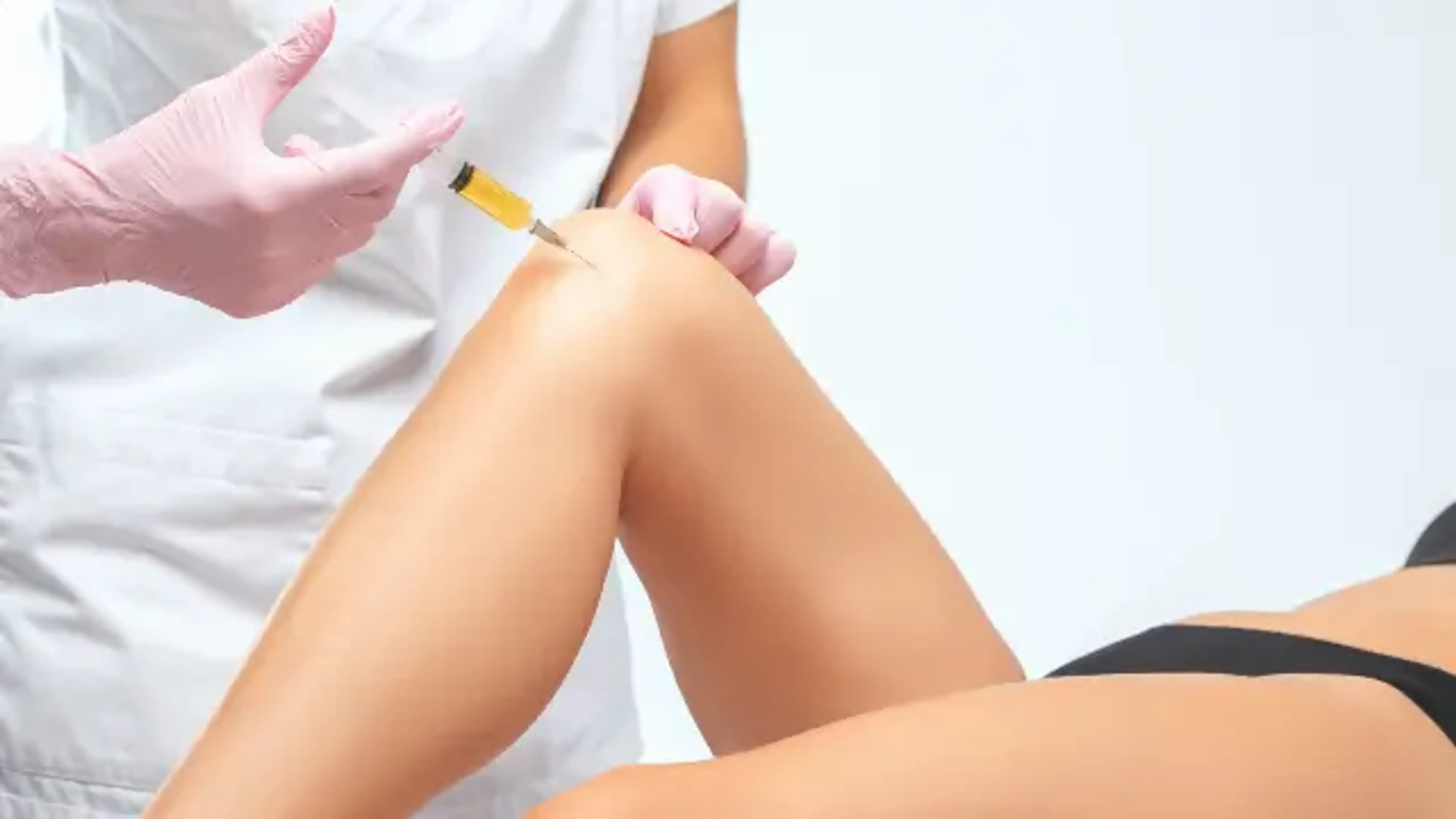
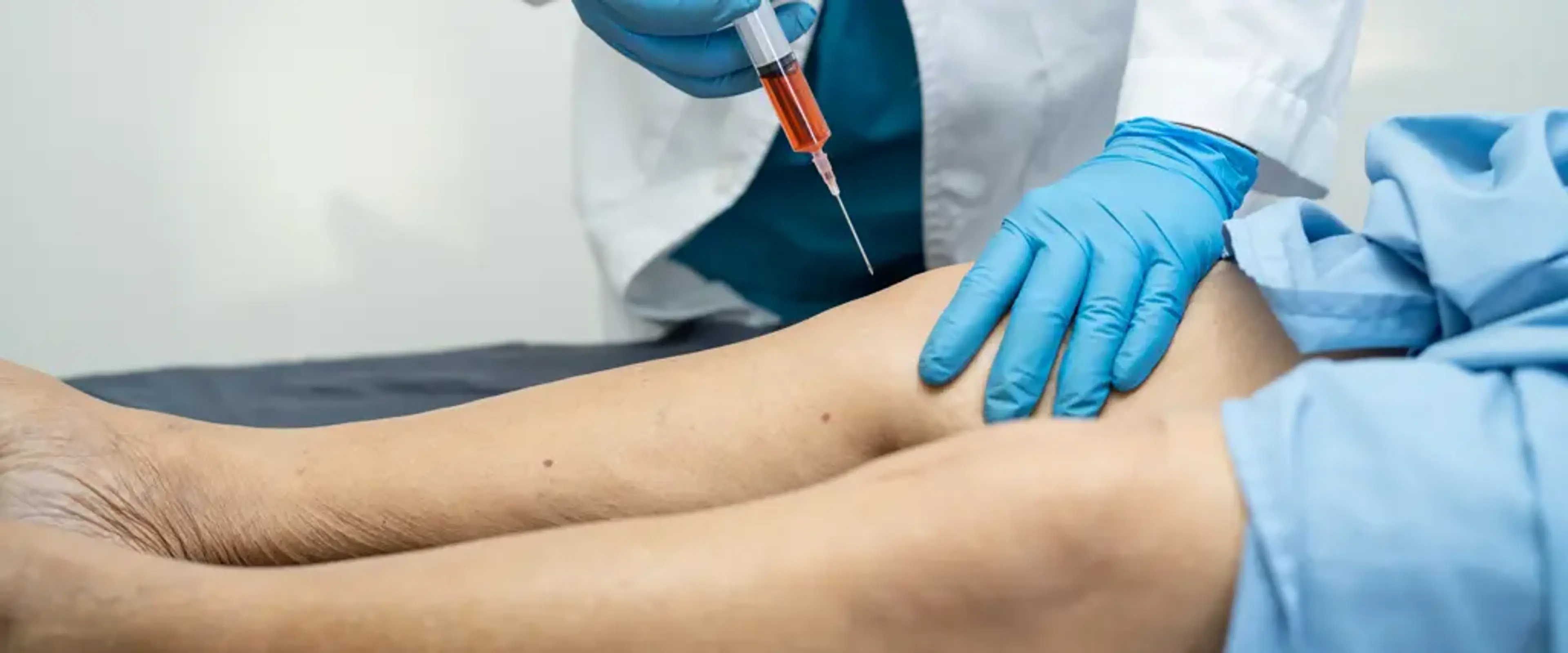
By taking a small sample of your blood and placing it in a centrifuge we can separate the platelets from other blood cells. This increases the concentration of growth factors by five to ten times. When this concentrated plasma is injected into the damaged tissue it acts as a biological command to your body to restart the repair process. It recruits stem cells to the site and stimulates the production of collagen and new blood vessels. This is a foundational element of regenerative medicine because it uses your own biology to address the root cause of pain.
Even the most potent PRP injection will fail if it is not delivered to the exact location of the damage. At Howard Pain Clinic in Seoul we rely heavily on diagnostic ultrasound imaging for spine and joints. This allows Dr. Yoon to see the needle in real time as it enters the tissue. Without ultrasound a doctor is performing a blind injection which has a much lower success rate.
Using ultrasound ensures that we avoid nerves or blood vessels and place the PRP directly into the small tears of a tendon or the worn sections of a joint. This precision is what differentiates a standard clinic from a specialized center for regenerative medicine. For a patient traveling from New York or Los Angeles knowing that their treatment is guided by high resolution imaging provides an extra layer of security and confidence in the outcome.
Dr. Yoon often says that PRP is not just a treatment it is a biological command to your body to repair what is broken. This philosophy guides every procedure at our clinic ensuring that we are not just masking symptoms but building a stronger foundation for your future mobility.
The cortisone shot has been a staple of pain management for decades. It is a type of corticosteroid medication that mimics the effects of hormones your body naturally produces in the adrenal glands. Its primary function is to reduce inflammation with incredible speed and power. For many patients the appeal is obvious within hours or days of the injection the pain that has haunted them for months may vanish completely.
When we talk about PRP vs cortisone injection we are talking about two very different goals. Cortisone is a powerful anti inflammatory agent. It works by suppressing the immune system's response to injury. While inflammation is a part of the natural healing process chronic inflammation can become a source of pain and further damage.
A cortisone shot provides what many call a honeymoon phase. The swelling goes down the pressure on the nerves is released and the patient feels a sense of normalcy. In NYC or LA where the pace of life is fast many people choose this option because they need to get back to work or their routine immediately. However it is important to remember that the underlying damage to the tendon or joint has not been fixed the pain has simply been silenced.
The major concern with a cortisone shot is what happens after the initial relief wears off. Research has shown that repeat steroid injections can lead to the breakdown of tissue. This is often referred to as the degeneration trap. Corticosteroids can inhibit the growth of new cartilage and can even weaken tendons over time.
For patients with knee osteoarthritis or chronic shoulder pain a cortisone shot might provide six weeks of relief followed by a return of pain that is even worse than before. This is because the steroid has further thinned the cartilage or compromised the integrity of the ligaments. When comparing a steroid injection vs PRP you must consider the long term health of your joints. While PRP aims to rebuild the steroid injection if used too frequently can actually accelerate the need for more invasive procedures like joint replacement surgery.
Dr. Yoon emphasizes that while a cortisone shot has its place in acute pain management it should never be used as a long term strategy for chronic conditions. The goal should always be functional recovery rather than temporary relief.
When we look at PRP vs cortisone injection side by side the differences become clear. It is not just about which one works better it is about which one aligns with your personal health goals. Are you looking for a quick fix for a specific event like a wedding or a business trip? Or are you looking for a way to ensure you can walk comfortably for the next ten years?
The most significant difference in the PRP vs cortisone injection debate is the timeline. A cortisone shot is designed for speed. Most patients feel the effects within 48 to 72 hours. This makes it an attractive option for someone in acute distress. However the relief is typically temporary lasting anywhere from a few weeks to a few months.
In contrast a PRP injection requires patience. Because it relies on the body’s natural healing cascade the results are not immediate. In fact some patients feel a temporary increase in pain for the first week as the inflammatory healing response begins. Most patients start to see significant improvement at the four to six week mark. The major advantage however is that the results of PRP can last for a year or longer because the tissue has actually been repaired.
Feature | PRP Injection | Cortisone Shot | Winner |
Primary Goal | Tissue repair and regeneration | Inflammation suppression | PRP (for long-term health) |
Onset of Relief | 4 to 6 weeks | 24 to 72 hours | Cortisone (for speed) |
Duration of Effect | 12 months to several years | 6 to 12 weeks | PRP (for longevity) |
Mechanism | Concentrated growth factors | Synthetic corticosteroid | PRP (natural) |
Tissue Impact | Strengthens tendons and cartilage | May weaken tissue over time | PRP (restorative) |
Initial Discomfort | Moderate (post-injection flare) | Minimal | Cortisone (comfort) |
Repeat Frequency | Rarely needed (1-3 sessions) | Limited to 3-4 per year | PRP (fewer visits) |
Best For | Chronic tears, osteoarthritis | Acute bursitis, severe swelling | Context Dependent |
Choosing between these two depends on your specific circumstances. If you have a severe inflammatory flare up that is preventing all movement a single cortisone shot might be the necessary first step to calm the area down before following up with regenerative medicine. However if the goal is to fix the underlying problem PRP vs cortisone injection is a clear win for PRP.
Dr. Yoon often notes that his international patients prefer the regenerative approach because they are looking for a comprehensive solution that respects the biology of their body. In Seoul we use advanced neuro functional testing and autonomic nervous system testing to ensure that the environment in your body is ready to support the healing that PRP provides.
Every medical procedure carries some level of risk and a thorough understanding of these risks is essential for patient safety. When discussing PRP vs cortisone injection we must look at both the short term side effects and the long term safety profiles of each.
One of the most common questions we receive is about the pain after the procedure. With a cortisone shot the needle might cause slight discomfort but the medication itself usually begins to numb the area quickly. With a PRP injection the experience is different. Because PRP works by triggering a healing inflammatory response it is very common for patients to experience a flare period.
For the first three to seven days after a PRP injection you may feel increased swelling and soreness in the joint. This is not a sign that the treatment has failed it is a sign that it is working. The growth factors are stimulating a reaction that brings blood flow and repair cells to the area. For our patients traveling from the USA we ensure they have proper support and guidance on how to manage this discomfort without using anti inflammatory drugs which would cancel out the effects of the PRP.
The safety of a PRP injection is naturally higher because it uses your own blood. There is no risk of an allergic reaction or rejection. The primary concern is simply the skill of the doctor performing the injection. At Howard Pain Clinic Dr. Yoon’s 20 years of experience ensures that the procedure is performed under sterile conditions with ultrasound guidance to minimize the risk of infection or nerve damage.
The safety profile of a cortisone shot is more complex. While a single injection is generally safe repeated injections in the same area are where the problems arise. Systemic side effects can include a temporary rise in blood sugar which is a concern for diabetic patients or a temporary suppression of the immune system. More concerning for orthopedic health is the permanent thinning of the skin or the loss of fat at the injection site.
Dr. Yoon advises all patients that while the PRP flare can be uncomfortable the long term safety of using your own healing cells far outweighs the risks of synthetic steroids. We believe in transparency and we want you to be fully prepared for every stage of your recovery journey.
Timeline | PRP vs Cortisone Injection Experience | Activity Level Recommendation |
Days 1-3 | PRP: Increased pain (flare); Cortisone: Numbing relief | Rest and localized icing |
Weeks 1-2 | PRP: Lingering soreness; Cortisone: Peak relief | Gentle range of motion |
Month 1 | PRP: Early cellular repair begins | Supervised physical therapy |
Month 3 | PRP: Significant functional improvement | Return to low-impact sports |
Month 6 | PRP: Maximum collagen synthesis | Full activity (Return to Play) |
Month 9+ | PRP: Results maintained; Cortisone: Relief often fades | Long-term maintenance |
For many patients in New York City or Los Angeles the decision between PRP vs cortisone injection often comes down to cost. In the United States healthcare system these treatments are viewed very differently by insurance companies.
Most insurance plans in the USA cover a cortisone shot because it is an inexpensive and established treatment. However because it is temporary you may find yourself needing a new shot every few months. Over several years the cost of the office visits the co pays and the eventual advanced degeneration of the joint can add up to a significant financial burden.
PRP vs cortisone injection looks different when you view it as an investment in your longevity. Currently many US insurance providers still consider PRP to be experimental or elective which means patients often pay out of pocket. The upfront cost is higher than a steroid shot but the long term value is found in the reduction of pain the avoidance of surgery and the decrease in the need for ongoing medication.
We see an increasing number of patients traveling from major US cities to our clinic in Seocho gu Seoul. There are several reasons for this trend. First the technology used to process PRP varies greatly. Many clinics in the USA use simple kits that produce a low concentration of platelets. At Howard Pain Clinic we use advanced systems to ensure a much higher concentration of growth factors which leads to better results.
Second the cost of high quality regenerative medicine in South Korea is often more competitive even when factoring in travel expenses. Furthermore the level of diagnostic testing available at our clinic is rarely found in a single location in the US. We combine autonomic nervous system testing neuro functional testing and musculoskeletal disorder evaluation to create a complete recovery program.
Dr. Yoon believes that every patient deserves access to the best technology regardless of where they live. By choosing Howard Pain Clinic you are investing in a specialized level of care that prioritizes your functional recovery and long term quality of life.
The debate of PRP vs cortisone injection is not a one size fits all conversation. The effectiveness of each treatment depends heavily on which part of the body is being treated. At Howard Pain Clinic we specialize in chronic pain management across various musculoskeletal and nerve conditions.
Knee pain is one of the most common reasons patients seek an injection. For mild to moderate knee osteoarthritis PRP has shown significant superiority over cortisone in long term studies. While cortisone might help with a sudden flare of swelling PRP actually helps to lubricate the joint and potentially slow the progression of cartilage wear.
In the shoulder particularly with rotator cuff tears or tendinopathy the choice is critical. Steroids can sometimes weaken the tendon fibers making a future tear more likely. PRP on the other hand helps to strengthen the tendon tissue. Our use of diagnostic ultrasound imaging for spine and joints ensures that we target the exact fiber that needs repair.
When it comes to the spine the stakes are even higher. Chronic back pain often involves both the joints of the spine and the surrounding nerves. While a steroid epidural is a common treatment in NYC and LA it often provides only fleeting relief.
This is where Dr. Yoon’s unique technique becomes vital. We often combine regenerative injections with FIMS therapy which stands for Functional Interventional Musculoskeletal Solution. FIMS is a non surgical procedure that uses a special needle to release adhesions and decompress nerves. When we follow this with a PRP injection we are both physically releasing the nerve and chemically stimulating the repair of the surrounding tissue. This dual approach is why our non operative pain recovery programs have such a high success rate for chronic back pain.
Nerve pain treatment is a delicate process. We use autonomic nervous system testing to see how your body is responding to chronic pain. If your system is stuck in a fight or flight state healing will be slow. By addressing the nervous system and the physical structure together we provide a more complete solution than a simple cortisone shot ever could.
Choosing a clinic is just as important as choosing the treatment. In the field of pain medicine the experience of the doctor and the quality of the technology are the two pillars of success. Howard Pain Clinic is a leader in non surgical pain rehabilitation in Seoul South Korea.
Being board certified in both pain medicine and regenerative medicine Dr. Yoon understands the complex interplay between the nervous system and the musculoskeletal system. His annual surgery volume of approximately 200 procedures focused on non surgical solutions ensures that his skills remain at the highest level. When you choose Dr. Yoon you are choosing a doctor who has dedicated his life to the art and science of healing without a scalpel.
What truly sets us apart is our USP the advanced personalized non surgical treatment using FIMS prolotherapy and regenerative injections. Most clinics offer either physical therapy or injections. We offer a coordinated rehabilitation therapy coordination that combines the best of both.
Our unique technique involves using ultrasound guided diagnostics to map your pain and then applying a combination of FIMS to release the tissue and PRP to heal it. This is a level of functional rehabilitation based pain correction that is rare to find. We do not just look at where it hurts we look at why it hurts and how the whole body is functioning.
We know that traveling from New York or Los Angeles to Seoul is a big decision. That is why we have built a robust international patient support system. Our staff is English speaking and we provide assistance with every step of the process.
From the moment you contact us we offer a virtual consultation option to discuss your case. We can review your MRI or CT scans and give you an honest assessment of whether you are a candidate for our treatments. Once you arrive in Seoul we ensure that your treatment plan is clear and that you have all the support you need for a comfortable stay and a successful recovery.
Taking the first step toward a pain free life can be daunting but we have made our booking process as simple as possible. Whether you are in New York City Los Angeles or anywhere else in the world we are ready to help you navigate the PRP vs cortisone injection choice.
The best way to start is with a virtual consultation. This allows you to meet with our specialists without the need for immediate travel. During this session we will discuss your medical history review any previous treatments and look at your diagnostic images.
We use secure video platforms to ensure your privacy. You can book this session through our website or by contacting our international coordinator via WhatsApp. This is the time to ask all your questions about our unique techniques and what you can expect from your time in Seoul.
If we determine that you are a candidate for our non surgical recovery programs we will create a detailed treatment plan for you. This will include the number of sessions recommended the types of injections we will use and how FIMS therapy will be integrated into your care.
We will also provide you with all the logistical information you need for your trip to Seoul. We can offer advice on accommodation in the Seocho gu area and help you understand the timeline for your treatment and recovery.
In the debate of PRP vs cortisone injection the best choice depends on your specific goals and the nature of your pain. If you are looking for a quick temporary fix a cortisone shot may serve a purpose. However if you are seeking to repair damaged tissue and achieve long term functional recovery regenerative medicine through a PRP injection is the superior choice.
At Howard Pain Clinic Dr. Jang Yong Yoon and his team are dedicated to providing the most advanced non surgical treatments available today. Our unique combination of FIMS therapy ultrasound guided diagnostics and personalized recovery programs ensures that every patient receives the care they need to return to an active life.
A. Yes the initial period after a PRP injection can be more painful than a cortisone shot. This is because PRP triggers a natural inflammatory healing response. While a cortisone shot numbs the area PRP creates a temporary flare that can last for a few days. However this is a sign that the healing process has begun. Most patients find that the long term relief is well worth the initial few days of soreness.
A. Typically a patient might receive one to three PRP injections depending on the severity of the injury. These are spaced several weeks apart. In contrast a cortisone shot is often a single treatment but it may need to be repeated every few months as the effects wear off. The goal of PRP is to provide a lasting solution while cortisone often becomes a recurring cycle of temporary relief.
A. We generally recommend waiting at least six to eight weeks after a cortisone shot before receiving a PRP injection. Steroids can suppress the healing environment that PRP needs to be successful. It is important for your body to clear the steroid from your system so that the growth factors in the PRP can work effectively to repair the tissue.
A. In the United States many insurance companies still categorize PRP as an elective or experimental treatment meaning it is often paid for out of pocket. In South Korea the costs are typically more transparent and competitive. While it may not be covered by standard US insurance many patients find that the total cost of travel and high quality treatment in Seoul is a better value than the options available locally.
A. Recovery from a cortisone shot is very quick often only a day or two of rest. Recovery from a PRP injection takes longer. While you can return to basic activities quickly you should avoid heavy exercise for several weeks to allow the tissue to heal. Most patients start to see the full benefits of PRP at the six week to three month mark.
A. Yes repeated cortisone shots in the same joint can lead to the thinning of cartilage the weakening of tendons and even the death of nearby bone tissue called avascular necrosis. This is why we are very cautious with steroids and prefer regenerative medicine for chronic conditions.